

Years Of Experience
No:107,2nd Floor,Ashok Nagar Main Road,Kodambakkam,Chennai-600024
Electric vehicles have shifted from niche to mainstream. With companies like Tesla, BYD, Rivian, and traditional automakers like Ford and Volkswagen joining the EV revolution, battery-powered vehicles are now commonplace.
Zero emissions: EVs help combat urban pollution and reduce our carbon footprint.
Lower running costs: Fewer moving parts mean less maintenance and lower fuel costs.
Range and charging improvements: Modern EVs can travel over 300 miles on a single charge, with ultra-fast chargers cutting down charging time dramatically.
Not ready to go fully electric? Hybrids are the bridge. Vehicles like the Toyota Prius or Honda CR-V Hybrid offer improved fuel efficiency without sacrificing range, while plug-in hybrids (PHEVs) allow for short electric-only trips combined with the safety net of a gas engine.
Self-driving technology is no longer science fiction. While we may still be a few years away from fully autonomous vehicles dominating the roads, features like lane keeping, adaptive cruise control, and automated parking are already common in cars from Tesla, BMW, and Mercedes-Benz.
ADAS (Advanced Driver Assistance Systems) help reduce human error.
AI-powered vehicles are learning to navigate traffic, recognize pedestrians, and make split-second decisions.
Modern vehicles are becoming more connected than ever. With Vehicle-to-Everything (V2X) communication, cars can share data with other vehicles, infrastructure, and even pedestrians.
Real-time traffic updates
Predictive maintenance alerts
Enhanced navigation and safety features
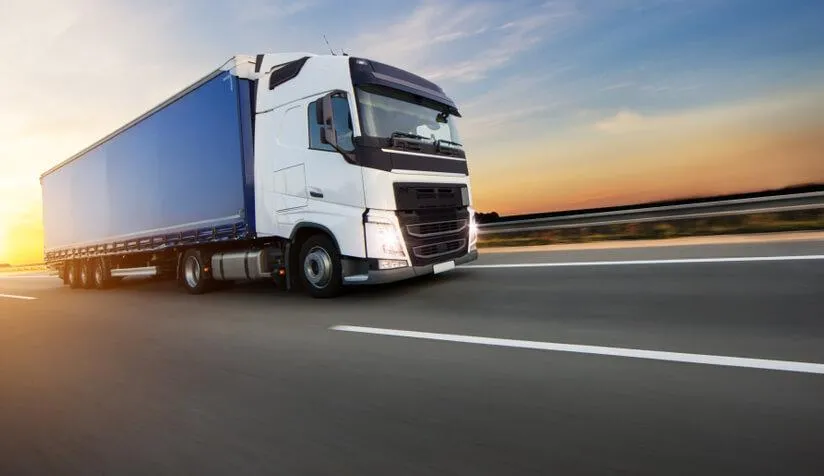
The commercial vehicle sector is seeing massive innovation. Fleets are increasingly electric, GPS-tracked, and monitored using AI. Companies like Volvo, Nikola, and Tesla are working on electric and hydrogen-powered trucks that can haul heavy loads with minimal emissions.
Scooters, e-bikes, and compact electric vehicles are reshaping how people move in cities. As urban centers become denser, these agile transport options offer efficient, eco-friendly ways to navigate short distances.